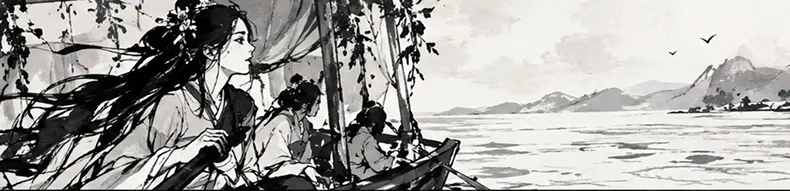
The Yuan and Xiang rivers flow quietly, and the Yangtze, too, runs its course in peace. I have commanded that no waves be raised. My husband is Shun, and I am his wife. He died at Cangwu during his southern tour; yet I always feel he is still here—perhaps detained on some sandbar, held back by someone, unable to leave just yet.
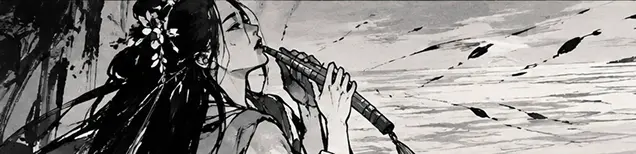
I decked out the boat and groomed myself with care, as if such efforts might coax him back. Yet, gazing out across the river, I saw nothing. I played my panpipes: the notes drifted out, only to be scattered by the wind.
I journeyed on toward the north. Turning into Dongting Lake, I fashioned curtains from creeping fig and canopies from fragrant herbs; rush-grass twined around the oars, and orchids adorned the banners. I searched the vast, open waters. Tears streamed down my face; my handmaidens sighed beside me, afraid to speak. Deep down, I knew the truth, yet I dared not fully grasp it—was he dead, or had he been unfaithful?
These two answers actually hurt just the same.

I rowed and rowed—hacking at the ice with my oar, carving a path through the snow. My efforts were as futile as trying to gather creeping figs from the water or climbing to a treetop to pluck a lotus blossom. My affection was entirely wrong. When two hearts are not in sync, no amount of effort from a matchmaker avails; when the bond of affection is shallow, the tie snaps at the slightest pull.
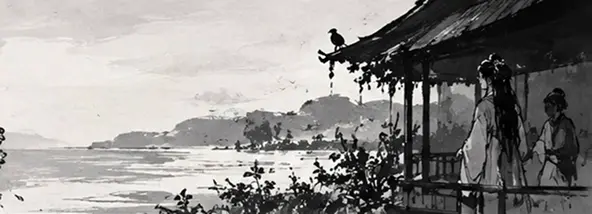
At dusk, I moored the boat on a sandbar along the northern bank. Birds perched on the eaves, and the water flowed past the front of the house. Suddenly, it no longer felt like a place where people lived; it seemed more like an empty dwelling left behind after he was gone.
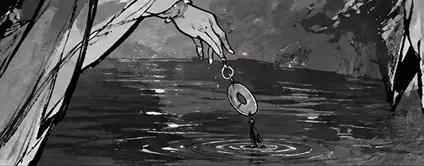
I cast the jade ring into the river and left the jade pendant by the banks of the Li River. It was not an act of spite; it was a way of telling myself that the wait was over—that he would not come. I gathered a handful of fragrant “du-ruo” herbs, hesitated a moment, then handed them to my maidservant, saying, “Here, you keep them.”
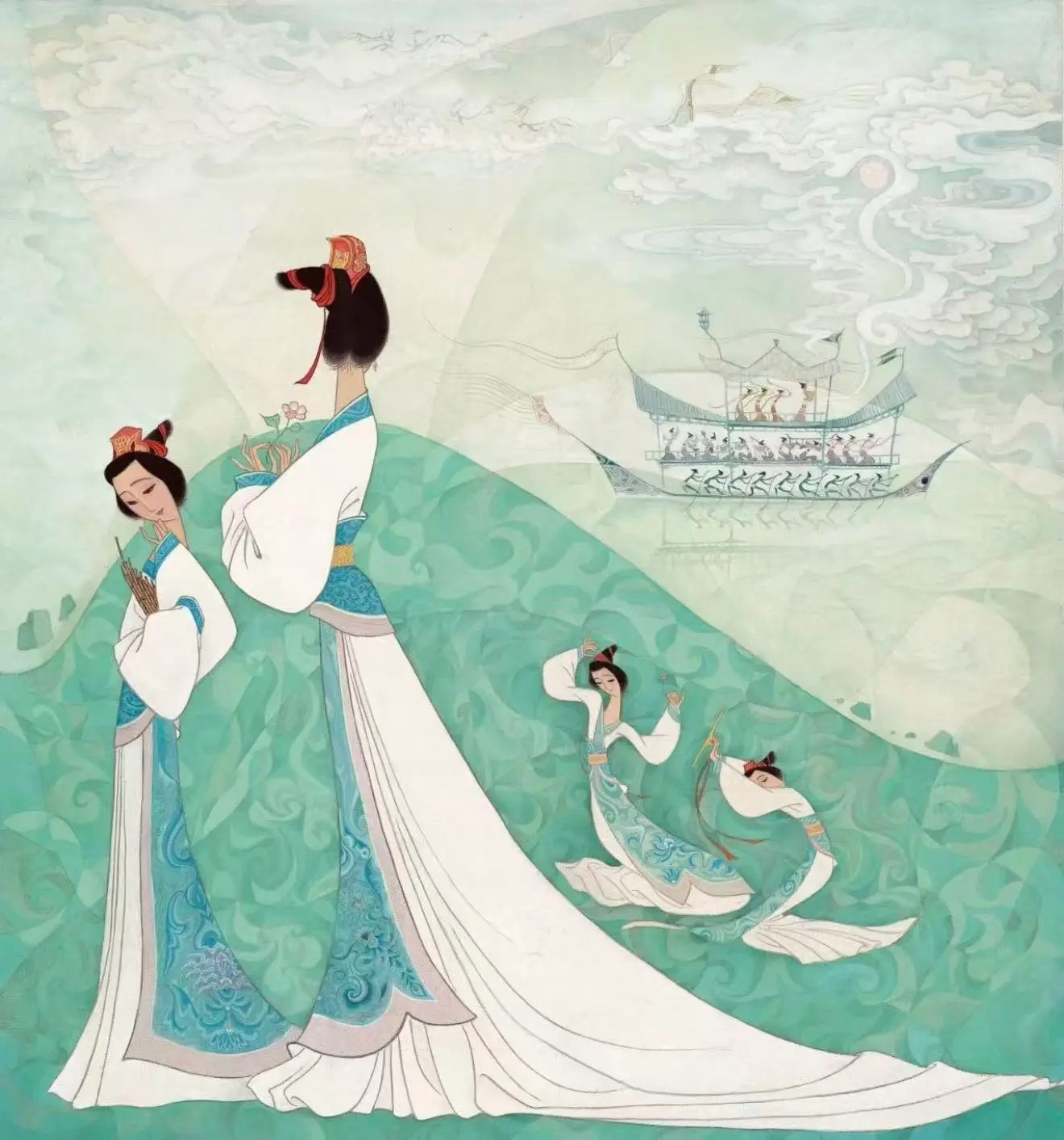
Illustration from The Nine Songs